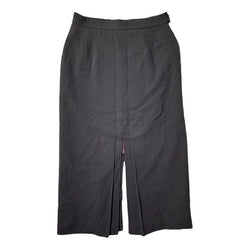
How to Wash Silk Vintage Clothes
Planning to wash silk—renewing your beloved vintage clothing?
If you’re the one at home managing the household (laundry), stay tuned.
Who loves to wear silky fabrics? We can agree that it is a disturbing task.
We know how time-consuming and tedious it can be to properly clean silk due to its delicate ensemble.
From shell tops to tailored skirts, silk garments require special attention.
Silk clothing requires caution when being laundered for it to remain beautiful and fresh-looking.

I'm looking for advice on how to care for your favorite pieces of clothing.
Then this guide is just what you need!
We'll provide step-by-step instructions that will help you.
Read below and learn all the ins and outs of washing silk correctly.
So whether you're a beginner or an experienced cleaner.
Now is the perfect opportunity to discover everything there is to know about washing the luxurious fabric.
Check the care label for laundry instructions.
To clean vintage silk clothing properly, try looking for the care label.
The care label is usually located on the inside of the garment, near the hem.
It may be a small, sewn-in tag or a larger, printed label. Identify the symbols.
The care label will be filled with symbols that indicate how to care for the garment.
These symbols are standardized, so you can find their meanings online or in a care label guide. Interpret the symbols.
Once you know what the symbols mean, you can follow the instructions.
On the care label you will find tips on how to care for your garment properly.
The first step is to always check the care label on your silk garment.
Verify if it can be machine-washed or hand-washed.
If it says "dry-clean only," then you should take it to a professional dry cleaner.
Here are 10 Dry Cleaners based in Central London.
If you browse through our products, you will mostly see washing instructions if available.
How to Wash Silk
Silk is a luxurious fabric that is often used in high-fashion garments.
However, silk can be delicate and requires special care when washing.
Here are some tips on how to wash silk without damaging it:
To Wash Silk Fabrics—Use a Mild Laundry Detergent
When you clean silk, use a mild detergent. Choose one designed for delicate fabrics.
We linked one of our favorites below—eco-friendly, of course!
EcoVer´s products are made with plant-based ingredients that are gentle on your skin.
They are also dermatologically tested and vegan-friendly.
Make sure to avoid using harsh detergents or bleach, as these can damage the silk fibres.
Clean Silk in Lukewarm Water
Silk should be washed in lukewarm water that is no hotter than 100°F or around 37.78°C.
Keep in mind that hot water can damage the silk fibres and disturb its feel.
Soak the Silk-based Garment
If the garment is heavily soiled, you can soak it in the washing solution.
Try to engage with this step for about 30 minutes before rinsing.
After washing silk, rinse thoroughly
Rinse the silk garment thoroughly with lukewarm water until the soap is gone.
Gently squeeze out the excess water from the silk garment.
Do not wring or twist it, as this could damage the fabric.
Lay the Silk Clothing Piece Flat to Dry
Lay the silk garment flat on a clean towel.
Do not hang it up to dry, as this could stretch the fabric.
Steam Silk Laundry
Once the garment is dry, you can steam it to remove any wrinkles.
Storing Silk Clothing Properly
Silk should be stored in a cool, dry place.
Avoid storing silk in direct sunlight, as this can fade the colours.
You can also store silk in a garment bag to protect it from dust and dirt.
This makes them delicate enough to protect precious fabrics, while also being durable enough to withstand daily use.
Laundry Wash Mesh Bag Clothing Care GBP 2.95
Additional Tips to Wash Silk
By following these tips to wash silk garments, they will be looking their best for years to come.
Unsure how to wash silk items? It is always best to be cautious.
In that case, take it to a professional dry cleaner.
- If you do wash silk at home, be sure to use a mild detergent and rinse it thoroughly.
- Do not wring or twist silk garments, as this can damage the fibers.
- Lay silk garments flat to dry.
- Do not hang them up, as this can stretch the fabric.
To wash silk clothing with 100% fabric purity, note the following:
It is extremely sensitive and can readily be harmed by sunshine, detergent-based soap, or any other cleaning agent.
Wash Silk Garments by Steaming to Remove Wrinkles
Handheld Garment Steamer £85.00 GBP
How to Prepare Vintage clothing to Wash Silk Laundry
Firstly, you should check the garment's tag, mostly found on the inner layer.
Commonly, it is sewn in at the backside of the collar and on the side along the waist.
If it says 'dry-clean,' it should be allowed to hand wash silk .
On the other hand, 'dry-clean only' recommends avoiding any other method.
Check the color fastness before washing anything.
Also make sure to test it first because the rich colors of silk frequently fade.
To check if any dye has gone off on the cotton swab, dip it in water and mild laundry detergent.
then dab it on a seam that isn't visible.
Dry cleaning should be used for bold designs or colors that leak.
Avoid spot-treating silk. One place on the silk might brighten as it is rubbed.
Wash the entire item if there are any significant stains.
especially ones that are in the centre of a pattern.
Take dark or unattractive stains to a dry cleaner.
Can You Wash Silk With Shampoo?
Yes, you can try to wash your silk-based garments with shampoo.
See below how it works:
- Add Ludicrously warm water and a tiny amount of liquid detergent.
- The detergent should preferably be designed for delicate items.
- Both must be added to a tidy sink or small tub. Rinse well after three to five minutes of gentle agitation.
- A moderate, cold-water cycle should be used if machine washing is recommended on the care label (Ariel, 2022).
Can You Put Silk in the Dryer?
You should not put silk in the dryer.
To remove excess moisture, lay wet silk apparel flat. Place it on a clean, absorbent towel. Wrap it up in the towel.
Lay flat on a drying rack or another dry towel after unfolding and repeating with a second dry towel.

More Vintage Clothing Laundry Guides
Visit our blog division TEXTILE CARE exclusively dedicated to teaching you how to treat your fabrics. Wear your fashion treasures longer, wear sustainable.
The Enduring Allure of Silk: A Historical and Market Overview in Clothing Production
This exotic material became a symbol of luxury and status. It was prized for its exquisite sheen. Also, for its unparalleled softness and remarkable strength. It was traded along the famous Silk Road. It captivated civilizations across continents.
Throughout history, silk has adorned royalty, featured in religious garments, and been a cornerstone of exquisite textiles. From the opulent robes of emperors to delicate kimonos and elegant evening wear.
Silk's versatility and inherent beauty have ensured its enduring appeal. Its ability to take vibrant dyes and drape gracefully makes it a favored choice for designers.
It is ideal to create timeless pieces, maintaining its elite position in fashion.
Silk's Current Market Position in the Fashion Industry
Synthetic and other natural materials gained traction. This is due to cost-effectiveness and functional properties. However, silk is highly sought after. Its unique tactile and visual qualities are unmatched. Silk is prevalent in high-end fashion. Also, in bridal wear, formal attire, and luxury loungewear. Its inherent elegance is not easily replicated.
Its market includes fluctuating raw material costs. Sericulture is a labor-intensive process. Also, consumer awareness of sustainable materials is increasing.
Key Factors Benefiting Silk's Market Share:
- Exceptional Luster and Drape: Provides an unmatched luxurious aesthetic.
- Hypoallergenic Properties: Suitable for sensitive skin.
- Strength and Durability: When properly cared for, silk fabrics are long-lasting.
- Breathability and Temperature Regulation: Comfort in various climates.
- Demand for Luxury Goods: Continuous global market for high-end fashion.
Even with a smaller market share, silk remains influential in fashion and highly sought after in the luxury market. Consumers' growing appreciation for quality, craftsmanship, and natural materials ensures silk's continued appeal.
Advances in sustainable production boost its presence in the evolving fashion world.