

Environmental Impact Fast Fashion vs. Sustainable Fashion
Fashion and sustainability are subjects close to the heart of our business model at Fashion Aftermath.
Everything from the colors, shapes, and textures to the creativity and transformation.
Sustainability also plays a key part in our daily lives as we face a future damaged by overconsumption.

The fashion industry creates extravagant designs. It is an outlet for creativity and self-expression. Fashion also symbolizes status and wealth.
From textile production and manufacturing to transportation and waste, the entire fashion supply chain is riddled with unsustainable practices.
We will explore fashion's environmental impact. A shift to sustainable practices is urgently needed. We must embrace circular fashion.
We have enough clothing for generations. Fashion's future relies on Reduce, Reuse, Recycle.
Fashion Aftermath
The Fashion Industry's Environmental Footprint
The fashion industry's impact on the environment is extensive.
A vast amount of resources used during textile production has contributed to the environmental crisis.
From water-intensive crops like cotton to energy-consuming manufacturing processes, the fashion supply chain guzzles natural resources at an alarming rate.
Furthermore, the chemicals used in the dyeing process become toxic waste when dumped into rivers and oceans.
The water becomes polluted and has detrimental effects on health and the climate.
The carbon footprint of the fashion industry is considerable.
Sourcing and producing raw materials contributes to emissions. Transporting them also adds to greenhouse gases. Manufacturing and processing products emit gases.
Fast Fashion & its Ecological Traces
The rise of fast fashion has exacerbated the fashion industry's environmental impact.
Fast fashion brands churn out low-quality, cheap clothing at an astonishing pace, enticing consumers to buy more and more.
This 'throwaway culture' has led to a sharp increase in clothing waste.
Many garments end up in landfills or incinerators. This releases harmful chemicals and greenhouse gases.
Novel styles and trends demand many resources. The fashion industry exploits natural resources. They seek textiles and materials to their limits.
Fast fashion promotes overconsumption. Clothing is treated as disposable goods. They are not valuable possessions.
A Wardrobe of Unworn Clothing, Useless Disposal
It is essential to highlight that we already possess enough clothing on Earth to clothe generations to come.
The fashion industry's overproduction has resulted in an excess of unworn and discarded garments.
Wardrobes fill with unworn items. This wastes resources. It fuels the cycle of overconsumption.
Consumers' fascination with novelty as frequent replacements has amplified this issue.
Pressure to keep up with trends drives buying. Constant advertising fuels excessive habits. This leads to impulsive purchases and hoarding.
The Path Toward Sustainability: Fashion
Given the climate crisis, the fashion industry must pivot towards sustainable practices.
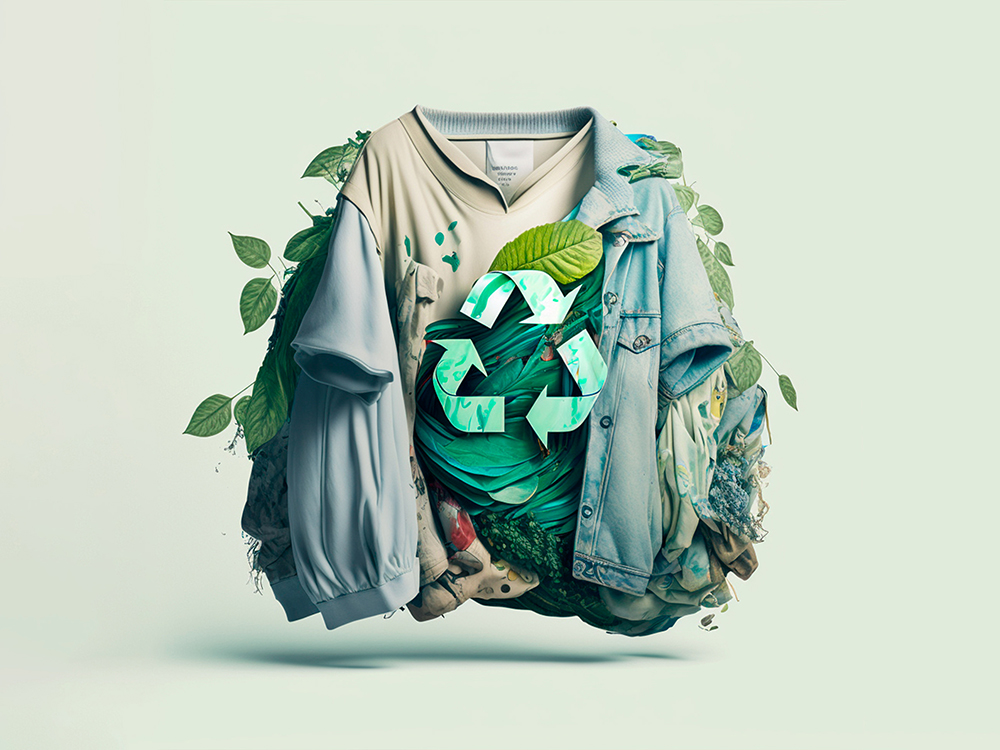
The future of fashion lies in embracing a circular economy: reduce, reuse, recycle and upcycle.
Reduce Clothing
The first step towards sustainability is to reduce overproduction.
Brands should embrace mindful production practices, creating clothing with durability in mind.
Implementing effective manufacturing processes and ethically sourced materials made with quality.
Reuse Your Clothes
Encourage buying second-hand clothing. Swapping or lending clothes reduces demand for new apparel. Repairing rips prolongs garment life.
Going thrifting and vintage shopping is increasingly popular among the younger generations as they prioritise sustainability in their consumption.
Achieving a unique style is a bonus.
Recycle Your Old Garments
Implementing recycling programs for textiles can save clothing from landfills.
Recycling old clothing into new fibers helps. This reduces the fashion industry's consumption of new resources.
Repurposing materials is a way of recycling; however, this moves the garment to a different circular system.
Designers and brands can explore innovative fabrics sourced sustainably from recycled or organic materials to create stylish, environmentally responsible clothing.
Upcycle Outdated Textiles
Embracing upcycling allows designers to breathe new life into old garments, transforming them into unique, one-of-a-kind pieces.
Upcycling promotes creativity in limitation, reduces waste, which helps the planet and encourages a more mindful approach to fashion design.
Embracing Style & Sustainability
The move to sustainable fashion requires collaboration among all stakeholders in the industry.
Fashion brands must take the lead in adopting eco-friendly practices, committing to transparency, and setting ambitious sustainability goals.
Consumers play a pivotal role in this transformation by making conscious purchasing decisions and demanding more sustainable options from brands.
Self-education and having a conscious awareness also play a vital role in shifting consumer mindsets.
The lack of transparency is a common occurrence throughout the industry.
Governments, NGOs, and educational institutions can advocate for sustainable fashion practices.
For example, these organisations can promote ethical consumption and emphasise the need to reduce clothing waste.
Reduce, Reuse, Recycle Clothing: Vintage
The fashion industry's harmful impact on the environment cannot be ignored any longer.
Studies have concluded that there is enough clothing already on Earth to last generations.
For there to be a future in fashion, we must adopt sustainable, circular practices.
From reducing overproduction to embracing recycling and upcycling, the industry must rethink its approach to design, production, and consumption.
As consumers, we have the power to drive change through the choices we make.
Support sustainable fashion. Reject the 'throwaway culture.' We can create a greener future. This benefits the fashion industry and our planet.
The time to act is now. Together, we can build a sustainable fashion community. It will celebrate creativity. It will protect Earth's precious resources.
More Resources
BBC How Clothes Are Linked To Climate Change
Fashion Revolution - Transparency
buy recycled, sustainable fashion at Fashion Aftermath online.
