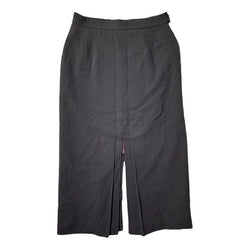

Managing a thrift store for clothing blends fashion, sustainability and entrepreneurship in one powerful concept. It supports circular fashion, reduces waste and offers budget‑friendly style for diverse communities (James, 2010; De Torres, 2024).
Why Clothing Thrift Stores Matter
Thrift stores extend the life of garments and reduce textile waste that would otherwise go to landfill (James, 2010; Hellström, 2024).
They also provide affordable access to fashion for lower and middle‑income families (James, 2010; Consumers’ Perceptions of Fast Fashion and Secondhand, 2019).
From a beauty‑and‑fashion perspective, thrift shops support more individual, expressive style. They offer unique pieces instead of fast‑fashion uniformity, which encourages creativity and slower consumption (Ayres, 2019; Becker Frahm, 2024).
Furthermore, the rise of thrifting fits wider consumer shifts away from fast fashion towards more ethical wardrobes (ThredUp, 2021; Consumer Shift from Fast Fashion to Thrift Fashion, 2024).

Defining Your Thrift Store Concept
Before sourcing a single garment, define a clear concept. Decide whether you focus on curated vintage, everyday basics, designer resale or youth‑oriented streetwear (Hellström, 2024; De Torres, 2024).
This choice shapes everything: pricing, marketing, visual merchandising and even your brand voice.
Clarify your target customer in concrete terms. Consider age, budget, preferred brands, social media habits and values such as sustainability or nostalgia (Consumer Shift from Fast Fashion to Thrift Fashion, 2024).
In practice, many successful stores choose a narrow niche and then expand once they build loyalty (De Torres, 2024; Wonderwork, 2025).
A clear concept also helps you stand out in a crowded resale landscape online and offline.
Location, Layout and Store Atmosphere
Location still matters in thrift retail, even as online thrifting grows. Research shows that visibility, foot traffic and neighbourhood demographics strongly influence performance (De Torres, 2024; James, 2010).
Ideally, choose areas with a mix of students, young professionals and budget‑conscious families, plus nearby public transport.
Inside the store, layout and atmosphere shape how customers perceive value and “treasure‑hunt” potential. Secondhand spaces are naturally clutter‑prone, but design strategies can turn that complexity into a positive experience (Becker Frahm, 2024).
Clutter‑reducing tactics include clear sightlines, roomy aisles and well‑labelled sections. Clutter‑reframing strategies, such as themed racks, colour blocking and playful signage, make the mess feel intentional and exciting rather than chaotic (Becker Frahm, 2024).
Lighting, mirrors, fitting rooms and playlists should all support a relaxed, explorative mood that aligns with your brand.
Sourcing Inventory Ethically and Strategically
Inventory is your core asset. Thrift stores typically source clothing through donations, buy‑outs, consignment, auctions or partnerships with charities and collection points (James, 2010; Ayres, 2019).
Each route offers trade‑offs in cost, control and volume. For example, donation‑based models have low upfront costs but higher sorting loads and uneven quality. In contrast, consignment gives you more curation power but requires careful tracking and payouts.
Set clear acceptance criteria and communicate them everywhere. Specify condition standards, preferred brands, size ranges and seasonal needs to reduce sorting time and landfill waste (Consumers’ Perceptions of Fast Fashion and Secondhand, 2019).
As circular business models mature, some fashion retailers combine new and secondhand stock to stabilise inventories and margins (Hellström, 2024).
However, keep your core sustainability message consistent and avoid mixing in ultra‑cheap fast fashion that undermines your values.
Pricing, Margin and Financial Basics
Thrift economics depend on balancing affordability with profitability. Research on thrift entrepreneurs shows that many struggle with low margins, inconsistent footfall and pricing decisions (De Torres, 2024).
Instead of random pricing, build simple rules based on original RRP, brand, condition and demand. For example, you might price high‑street basics at 20–30% of original RRP and premium brands at 30–50%, then adjust for rarity or flaws.
Monitor key numbers from day one. Track daily sales, number of items sold, average transaction value and gross margin. Studies of thrift shops suggest that many operate as small to medium enterprises, with modest turnover and high competition (De Torres, 2024).
Therefore, even small improvements in pricing, sourcing and promotions can significantly affect survival. Loyalty programmes, bundle pricing and regular discount days can smooth demand without undermining your value perception (De Torres, 2024; Consumer Shift from Fast Fashion to Thrift Fashion, 2024).
Visual Merchandising: Making “Clutter” Work for You
Secondhand clothing brings unavoidable variety, yet good merchandising can make the abundance feel like a curated experience. Retail design research identifies multiple strategies for managing visual complexity in second‑hand shops (Becker Frahm, 2024).
Clutter‑reducing strategies include limited colour palettes per rail, grouping by category and using clear vertical zones. Clutter‑reframing strategies deliberately highlight abundance by creating “dig zones” for bargain hunters while keeping main areas tidy (Becker Frahm, 2024).
Use simple tools: high‑quality hangers, consistent signage, well‑lit feature racks and mannequins styled with complete outfits. Outfit rails help less confident shoppers see how to wear bolder pieces. Rotating “new in” and “editor’s picks” sections keeps regular visitors engaged. Because many younger shoppers discover thrift fashion on Instagram and TikTok, visual coherence also improves your content and supports your online presence (Consumer Shift from Fast Fashion to Thrift Fashion, 2024).
Staffing, Volunteers and Daily Operations
Many thrift stores rely on a mix of paid staff and volunteers. Research on local thrift economies shows that family members, community volunteers and part‑time workers often contribute to operations (James, 2010).
Clear roles help avoid confusion: define who handles sorting, pricing, till operations, content creation and customer service. Provide basic training in garment evaluation, steaming, folding, POS systems and sustainability messaging.
Daily routines should include opening checks, cleaning, merchandising updates, social media posting and end‑of‑day reconciliations. Even small stores benefit from simple written procedures that ensure consistent customer experience and security. Reward systems or informal recognition keep volunteers motivated and feeling part of the mission. Positive staff‑customer relationships build loyalty and create the welcoming atmosphere that differentiates your shop from impersonal fast‑fashion chains (Ayres, 2019; James, 2010).
Understanding Thrift Customers and Their Motivations
Thrift shoppers are not a monolith. Studies identify varied motivations: saving money, hunting for unique pieces, supporting sustainability, nostalgia and the thrill of the search (Consumers’ Perceptions of Fast Fashion and Secondhand, 2019; Ayres, 2019).
Younger customers influenced by social media often emphasise style and individuality, while also caring about affordability (Consumer Shift from Fast Fashion to Thrift Fashion, 2024).
Research suggests that followers of Instagram thrift stores prioritise fair prices and good curation when choosing where to shop (Consumer Shift from Fast Fashion to Thrift Fashion, 2024). At the same time, some customers still hold negative stereotypes about secondhand clothing, including concerns about cleanliness or social stigma (IJIRT, 2022).
Address these objections proactively through clear cleaning protocols, pleasant store design and positive storytelling about reuse. Community‑building events, styling workshops and “swap days” deepen emotional ties and repeat visits (James, 2010; Ayres, 2019).
Marketing Your Thrift Store On‑ and Offline
Successful thrift entrepreneurs lean heavily on digital marketing, particularly social platforms and e‑commerce extensions (De Torres, 2024; Thrifting Trends, 2021).
Visual platforms like Instagram, TikTok and Pinterest suit fashion‑rich content: outfit reels, before‑and‑after upcycling, and “thrift with me” videos. Consistent posting and clear branding help your store become a recognisable local name.
At the same time, offline marketing still matters for foot traffic. Collaborate with local salons, beauty studios and cafés to cross‑promote, especially if your blog already operates in the beauty niche. Flyers, window displays and participation in community events or markets increase visibility. Email newsletters featuring new arrivals, capsule‑wardrobe ideas and sustainability educational content turn casual visitors into a tribe. Because many consumers now view thrift shopping as part of more conscious consumption patterns, educational content can be a strong differentiator (IJIRT, 2022; Hellström, 2024).
Integrating Online Thrifting and E‑Commerce
Online secondhand shopping has grown rapidly as platforms and independent Instagram stores make resale convenient (Thrifting Trends, 2021; Consumers’ Perceptions of Fast Fashion and Secondhand, 2019).
For thrift owners, integrating online sales broadens your reach and allows you to move high‑value pieces beyond the local customer base. You can test simple models first: Instagram drops, Depop or Vinted listings, and “reserve in DM” posts.
A hybrid model invites customers to browse curated items online, then visit the store for try‑ons, alterations or styling advice. This approach also supports detailed storytelling about each piece, including fabric composition, brand background and styling tips. Research on circular business models in fashion shows that digital integration often strengthens both revenue and sustainability outcomes by increasing utilisation of garments (Hellström, 2024).
However, online operations require time for photography, measurement, messaging and packaging, so build realistic workflows.
Sustainability, Ethics and Community Impact
Thrift stores naturally support circular fashion, but management choices determine how effective and credible that impact becomes. Academic work on thrift economies highlights their role in social and economic sustainability, especially by serving lower‑income households and reducing waste (James, 2010; IJIRT, 2022).
To deepen impact, track and share simple metrics, such as estimated kilograms of clothing kept out of landfill per month or proportion of revenue donated to community projects.
Partnering with local charities, schools or shelters can formalise your social mission. For example, you might run “pay what you can” racks, free interview‑outfit programmes, or workshops on repairing clothes. Communication must remain honest and specific to avoid “greenwashing”. Clearly state what you do, what you do not yet do, and your future goals (Hellström, 2024; Wonderwork, 2025).
Customers increasingly reward brands that show transparent progress rather than perfection.
Measuring Performance and Adapting Over Time
Managing a thrift clothing store is an iterative process. Studies of thrift entrepreneurs emphasise the need to adapt to changing consumer preferences, competition and economic conditions (De Torres, 2024; Hellström, 2024).
Set up simple dashboards or spreadsheets that capture weekly and monthly data: revenue, average basket size, number of items sold, top categories, and most effective marketing channels.
Combine quantitative data with qualitative feedback. Encourage reviews, run small surveys in store and listen closely to what people ask for or complain about. If certain categories stagnate, try re‑merchandising, discounting or upcycling. If particular trends emerge online, test small curated drops in that style. Circular fashion and thrifting are evolving quickly, and stores that keep experimenting tend to thrive while static ones fade (Thrifting Trends, 2021; Consumer Shift from Fast Fashion to Thrift Fashion, 2024).
Reference list (Harvard style)
Ayres, J. (2019) ‘The work of shopping: Resellers and the informal economy’, Business History, 61(4), pp. 599–622.
Becker Frahm, L. (2024) ‘Creating a mess! Design strategies for managing visual complexity in second-hand shops’, in Design Research Society Conference Papers.
Consumer Shift from Fast Fashion to Thrift Fashion (2024) Journal of Fashion Marketing and Management.
Consumers’ Perceptions of Fast Fashion and Secondhand (2019) Student Scholarship Collection, Johnson & Wales University.
De Torres, K.C.O. (2024) ‘The thrift shop entrepreneur’s guide to success’, International Journal of Advanced Multidisciplinary Research and Studies, 4(5), pp. 1917–1923.
Hellström, D. (2024) ‘Exploring circular business model innovation in fashion retail’, Technological Forecasting and Social Change, 204, 123456.
IJIRT (2022) ‘The impact of thrift stores on sustainable consumption’, International Journal of Innovative Research in Technology, 9(5), pp. 1–6.
James, S. (2010) ‘Family participation patterns in local thrift economies’, Family Relations, 59(2), pp. 154–165.
Thrifting Trends (2021) ‘A conceptual framework for online second-hand shopping using S–O–R’, International Journal of Business and Management.